Discover how Syntegon partners with pharmaceutical companies to balance sustainability, efficiency, and profitability in a highly regulated industry.
Key Takeaways
- HWBV sterilizers support more sustainable pharmaceutical processes without compromising performance.
- Optimized water management reduces the need for process water, energy costs, and CO₂ emissions.
- Less process water reduces electricity consumption and allows for more compact components.
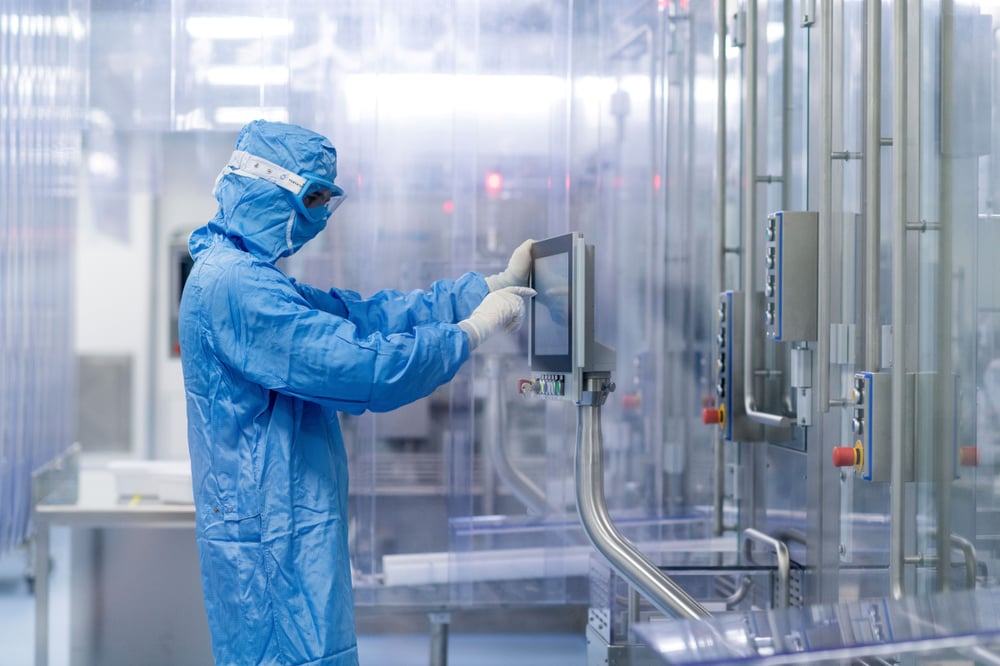
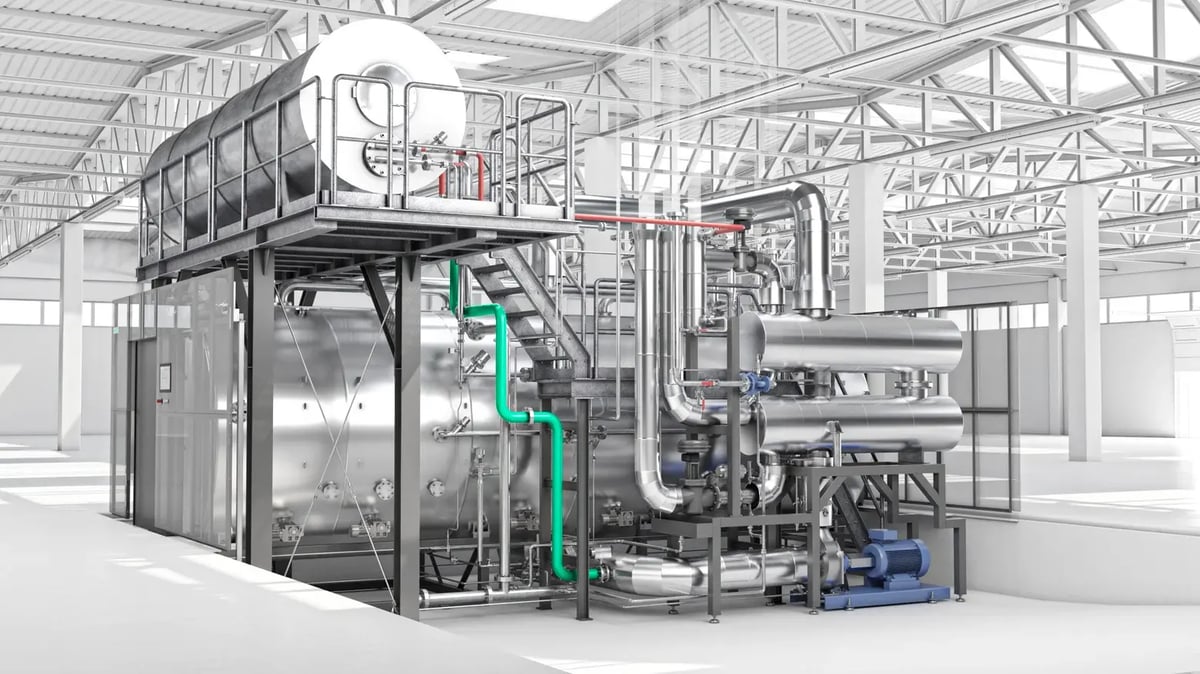
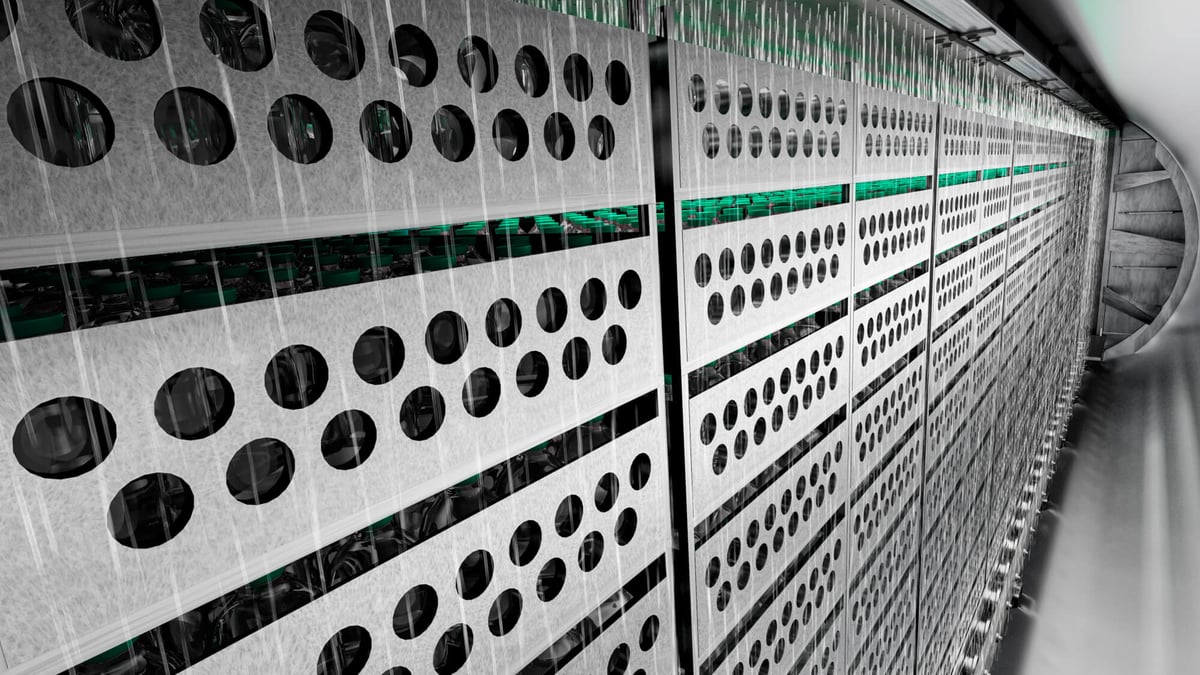
With its in-depth process expertise and technological innovations, Syntegon supports customers in achieving their sustainability goals without compromising the performance of their machines. The HWBV sterilizer embodies this approach. Pharmaceutical manufacturers rely on the hot water showering process that is used, for example, to sterilize filled plastic or glass containers such as medicinal bottles or ampoules.
The process is energy-intensive: Water is typically heated to around 121 degrees Celsius, showered over the containers, and then cooled down again. Since circulation water typically accounts for 40 percent of the energy balance of the entire process, it plays a significant role for both costs and emissions for pharmaceutical companies.
Innovation with measurable results
Thanks to targeted optimizations of the HWBV sterilizer from SBM Schoeller-Bleckmann Medizintechnik, customers now reduce their use of energy and water, thereby decreasing their operating costs. The principle is simple and effective: Less process water volume flow in the pumps results in less power consumption. At the same time, newly designed distribution and product trays optimize the film coverage on the containers, improving heat transfer.
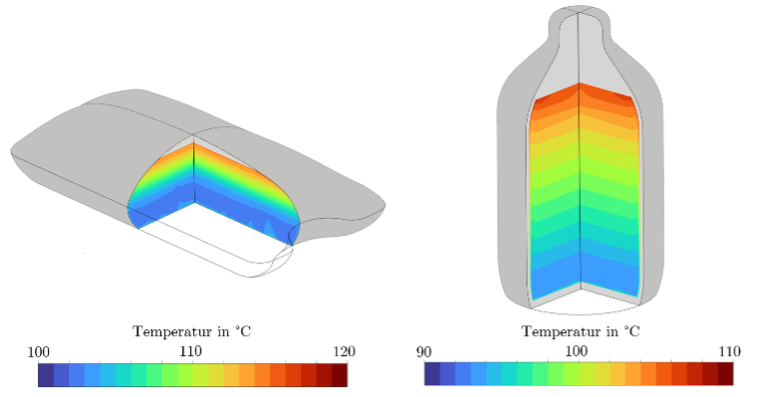
Using less water – and using it more efficiently – in turn allows for smaller pumps, heat exchangers, and pipes, which results in additional circulation water reductions. This improved design, which can also be customized to individual products, even allows for reduced process times in some cases. Thanks to advanced simulation methods (CFD) and extensive testing, the various technical optimizations yield impressive results.
Savings at a glance
- Up to 20% less process water used for sterilization
- Up to 10% less carbon emissions and energy costs
- Up to 7% reduced process times in heating and cooling stages
Temperature distribution during CFD simulations of a bag and a bottle during heat-up in the HWBV sterilizer.

Support that goes further
For companies with particularly ambitious sustainability goals, Syntegon also offers an energy recovery system that can reduce energy consumption by an additional 35 to 60 percent. This is complemented by comprehensive consulting services. Because Syntegon knows: True sustainability in the pharmaceutical industry can only be achieved through technical innovation – and through shared, strategic implementation.
Syntegon Newsletter
Get inspired with regular updates on technologies and services, case studies, webinar offers and events.